
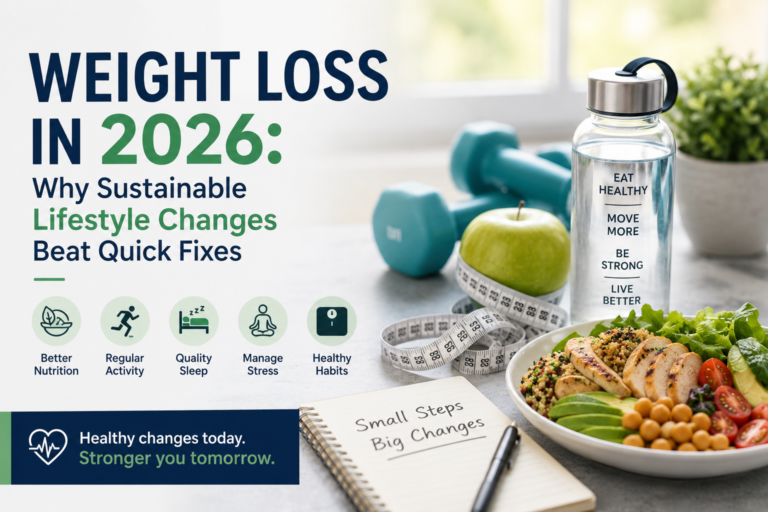
Every year, new diets, supplements, and social media trends promise rapid weight loss with minimal effort. While these approaches may deliver short-term results, they often fail to provide lasting health benefits.
In 2026, healthcare professionals are shifting the conversation away from “quick fixes” and toward sustainable, physician-guided lifestyle changes. Successful weight management isn’t about achieving a perfect number on the scale—it’s about improving your overall health, reducing the risk of chronic disease, and building habits you can maintain for years to come.
Whether your goal is to lose weight, lower your blood pressure, improve your energy levels, or reduce your risk of diabetes, a personalized, evidence-based approach offers the best path forward.
Why Healthy Weight Matters
Maintaining a healthy weight is about much more than appearance. Excess body weight can increase the risk of several serious health conditions, including:
- Heart disease
- High blood pressure
- Type 2 diabetes
- High cholesterol
- Sleep apnea
- Fatty liver disease
- Arthritis and joint pain
- Certain types of cancer
Even a modest weight loss of 5–10% of your current body weight can significantly improve many of these health risks.
Forget Crash Diets
Many fad diets promise dramatic results in just a few weeks.
While you may initially lose weight, much of it comes from water loss and reduced muscle mass rather than body fat.
Common problems with crash diets include:
- Slowed metabolism
- Nutritional deficiencies
- Constant hunger
- Low energy
- Weight regain after the diet ends
Instead of focusing on temporary restrictions, aim for long-term habits that support lasting success.
Sustainable Weight Loss Starts with Better Nutrition
Healthy eating doesn’t require eliminating your favorite foods. It’s about making balanced choices consistently.
Focus on:
- Fresh vegetables
- Fruits
- Whole grains
- Lean proteins
- Healthy fats
- Fiber-rich foods
Try to limit:
- Sugary beverages
- Highly processed snacks
- Excess sweets
- Fast food
- Fried foods
- Large portion sizes
Small dietary improvements made consistently often produce better long-term results than strict dieting.
Move Your Body Every Day
Exercise plays an important role in maintaining a healthy weight and improving overall wellness.
You don’t need to spend hours at the gym to see benefits.
Simple activities include:
- Brisk walking
- Cycling
- Swimming
- Light jogging
- Strength training
- Yoga
- Stretching exercises
Aim to stay active most days of the week. Even short periods of movement throughout the day can make a positive difference.
Strength Training Matters More Than You Think
Many people focus only on cardio, but maintaining muscle mass is equally important.
Strength training can help:
- Increase metabolism
- Improve balance
- Build lean muscle
- Support healthy aging
- Reduce body fat over time
Simple bodyweight exercises or resistance training a few times each week can complement your overall fitness routine.
Sleep Is an Important Part of Weight Management
Poor sleep can make weight loss more difficult by affecting hormones that regulate hunger and appetite.
Lack of sleep may lead to:
- Increased cravings
- Reduced energy
- Poor food choices
- Slower recovery
- Difficulty staying active
Adults should aim for consistent, quality sleep as part of a healthy lifestyle.
Stress Can Affect Your Weight
Chronic stress often contributes to unhealthy eating habits and reduced physical activity.
Managing stress may help support your weight loss journey.
Healthy stress-management strategies include:
- Meditation
- Deep breathing exercises
- Walking outdoors
- Reading
- Spending time with family
- Hobbies you enjoy
Taking care of your mental well-being is an important part of overall health.
Hydration Supports Overall Health
Sometimes thirst is mistaken for hunger.
Drinking enough water throughout the day can help you:
- Stay hydrated
- Support digestion
- Improve exercise performance
- Reduce unnecessary snacking
Keeping a reusable water bottle nearby can encourage regular hydration.
Weight Loss Isn’t Just About the Scale
Many people become discouraged when the number on the scale doesn’t change quickly.
Remember that progress also includes:
- Lower blood pressure
- Improved cholesterol
- Better blood sugar control
- Increased energy
- Better sleep
- Improved mobility
- Reduced joint pain
- Greater confidence
These health improvements are just as important as pounds lost.
When Should You Seek Medical Support?
If you’ve struggled to lose weight despite making lifestyle changes, it may be time to speak with your healthcare provider.
A physician can help identify underlying factors such as:
- Hormonal imbalances
- Thyroid disorders
- Diabetes or prediabetes
- Medication side effects
- Sleep disorders
- Nutritional deficiencies
A personalized evaluation can help create a plan tailored to your health needs and goals.
Healthy Habits That Last
Long-term success comes from building realistic habits you can maintain.
Consider these simple strategies:
- Eat regular, balanced meals.
- Include vegetables at every meal.
- Stay physically active.
- Drink plenty of water.
- Get enough sleep.
- Manage stress effectively.
- Avoid comparing your progress to others.
- Celebrate small milestones along the way.
Remember, healthy living is a journey—not a race.
Frequently Asked Questions
How quickly should I expect to lose weight?
Healthy, sustainable weight loss varies from person to person. Your healthcare provider can help you set realistic goals based on your overall health.
Do I need to avoid carbohydrates?
Not necessarily. Whole grains, fruits, vegetables, and legumes are healthy sources of carbohydrates that provide important nutrients and fiber.
Can I lose weight without going to the gym?
Yes. Walking, home workouts, cycling, swimming, and other daily activities can all contribute to a healthy lifestyle.
Is weight loss different as I get older?
Yes. Age-related changes in metabolism, muscle mass, and hormones can affect weight management. A personalized plan can help address these changes.
Take the First Step Toward Better Health
Successful weight management isn’t about perfection—it’s about making consistent, healthy choices that support your long-term well-being.
At Palm Beach Medical Center, our experienced physicians provide personalized weight management guidance, comprehensive health evaluations, and ongoing support to help you achieve your health goals safely and sustainably.
Whether you’re beginning your journey or looking for additional support, we’re here to help every step of the way.
Schedule your consultation today and start building healthier habits for a healthier future.
Medical Disclaimer
This article is intended for educational purposes only and should not replace professional medical advice, diagnosis, or treatment. Always consult a qualified healthcare provider before beginning any weight loss program or making significant changes to your diet, exercise, or healthcare routine.