

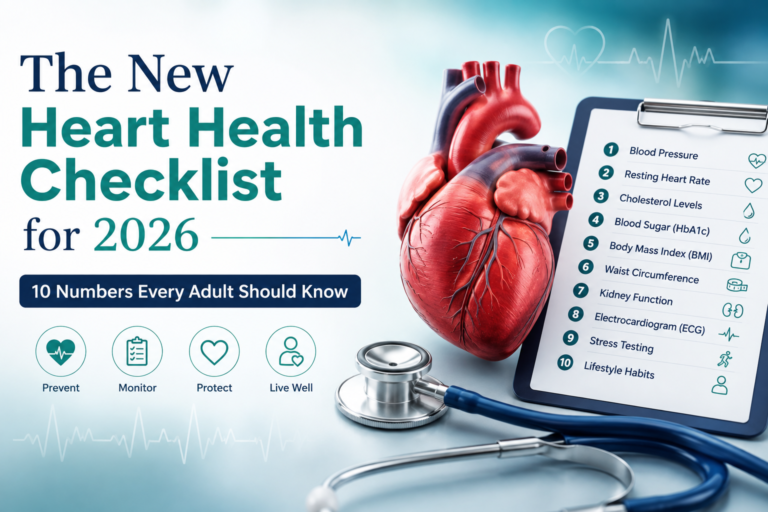
Your heart works around the clock, pumping blood throughout your body and supplying oxygen to every organ. Yet many heart conditions develop silently, showing few or no symptoms until a serious event occurs. That’s why preventive care is more important than ever.
In 2026, heart health is no longer measured by just one number. Modern preventive cardiology looks at a combination of important health indicators to identify risks early and help patients live longer, healthier lives.
Whether you’re in your 30s, 50s, or beyond, understanding these key health numbers can help you take control of your cardiovascular health.
Why Heart Health Monitoring Matters
Heart disease remains one of the leading causes of illness worldwide. Fortunately, many risk factors can be managed or even prevented through routine checkups, healthy lifestyle choices, and early medical intervention.
Regular monitoring allows healthcare providers to detect changes before they become serious problems, giving patients the opportunity to make informed decisions about their health.
1. Blood Pressure
Blood pressure measures the force of blood pushing against your artery walls.
Healthy blood pressure helps reduce your risk of heart attacks, strokes, kidney disease, and heart failure.
If your blood pressure is consistently elevated, your physician may recommend lifestyle changes or medication to help protect your heart.
Tips to Maintain Healthy Blood Pressure
- Reduce sodium intake
- Stay physically active
- Maintain a healthy weight
- Limit alcohol consumption
- Manage stress effectively
2. Resting Heart Rate
Your resting heart rate is the number of times your heart beats per minute while at rest.
A healthy resting heart rate generally indicates efficient heart function, while consistently high or unusually low rates may warrant further evaluation.
Regular exercise often helps improve heart efficiency over time.
3. Cholesterol Levels
Cholesterol plays an essential role in your body, but too much “bad” cholesterol (LDL) can build up inside arteries.
Important cholesterol measurements include:
- LDL (Low-Density Lipoprotein)
- HDL (High-Density Lipoprotein)
- Total Cholesterol
- Triglycerides
Your physician will evaluate these numbers together rather than individually to determine your overall cardiovascular risk.
4. Blood Sugar (HbA1c)
High blood sugar damages blood vessels over time and significantly increases the risk of heart disease.
The HbA1c test measures your average blood sugar over the previous two to three months and helps identify:
- Prediabetes
- Diabetes
- Long-term glucose control
Managing blood sugar is one of the most effective ways to protect both your heart and overall health.
5. Body Mass Index (BMI)
BMI is one tool used to estimate whether your weight falls within a healthy range.
Although BMI doesn’t tell the whole story, it provides valuable information when combined with other health measurements.
A physician may also evaluate body composition and lifestyle habits when discussing weight management.
6. Waist Circumference
Excess abdominal fat is closely linked to:
- Heart disease
- High blood pressure
- Type 2 diabetes
- Metabolic syndrome
Even individuals with a normal body weight may benefit from monitoring waist circumference as part of a comprehensive cardiovascular assessment.
7. Kidney Function
Your heart and kidneys work closely together.
Reduced kidney function can increase cardiovascular risk, while uncontrolled high blood pressure may also damage the kidneys.
Routine blood and urine tests can help monitor kidney health as part of your annual wellness examination.
8. Electrocardiogram (ECG)
An ECG records the electrical activity of your heart.
This quick, non-invasive test helps physicians detect:
- Irregular heart rhythms
- Previous heart damage
- Electrical abnormalities
- Signs of heart enlargement
Your doctor may recommend an ECG if you experience chest discomfort, palpitations, dizziness, or have certain risk factors.
9. Stress Testing
A cardiac stress test evaluates how well your heart performs during physical activity.
It may be recommended for patients who:
- Experience chest pain during exercise
- Have multiple cardiovascular risk factors
- Need further evaluation after an abnormal ECG
- Are preparing for certain surgical procedures
Stress testing helps physicians identify reduced blood flow that may not be apparent while resting.
10. Lifestyle Habits
One of the most important “numbers” isn’t found in a lab report.
Consider tracking:
- Minutes of exercise each week
- Daily servings of fruits and vegetables
- Hours of quality sleep
- Cigarettes smoked
- Alcohol consumption
Healthy daily habits often have the greatest long-term impact on cardiovascular health.
Warning Signs You Should Never Ignore
Seek prompt medical evaluation if you experience:
- Chest pain or pressure
- Shortness of breath
- Sudden dizziness
- Irregular heartbeat
- Fainting episodes
- Swelling in the legs
- Pain spreading to the jaw, neck, or arm
Early diagnosis can make a significant difference in treatment outcomes.
How Often Should You Get Your Heart Checked?
Routine heart health evaluations depend on factors such as:
- Age
- Family history
- Blood pressure
- Diabetes
- Smoking history
- Cholesterol levels
- Existing medical conditions
Many adults benefit from annual wellness visits, while individuals with higher risk may require more frequent monitoring.
Simple Habits That Support Heart Health
Small daily choices can have a lasting impact on your cardiovascular health:
- Eat a balanced diet rich in vegetables, fruits, whole grains, and lean proteins.
- Stay physically active with regular exercise that fits your lifestyle.
- Get adequate sleep each night.
- Avoid smoking and limit alcohol consumption.
- Manage stress through relaxation techniques or hobbies.
- Keep up with routine medical checkups and recommended screenings.
Consistency is more important than perfection when it comes to protecting your heart.
Take Charge of Your Heart Health Today
Your heart health is influenced by many factors—not just one test result. Understanding these important health indicators and partnering with your healthcare provider can help detect concerns early and support long-term wellness.
Whether you’re focused on prevention or managing an existing condition, regular cardiovascular evaluations are an investment in your future health.
Schedule Your Heart Health Evaluation
At Palm Beach Medical Center, our experienced cardiology and internal medicine team provides comprehensive heart health assessments, preventive screenings, diagnostic testing, and personalized treatment plans designed around your individual needs.
If you’re due for a checkup or have concerns about your heart health, we’re here to help you take the next step toward better health.
Book your appointment today and prioritize your heart health.
Medical Disclaimer
This article is intended for educational purposes only and should not replace professional medical advice, diagnosis, or treatment. Always consult a qualified healthcare provider regarding any medical concerns or before making changes to your healthcare routine.