

Healthy Aging Starts Earlier Than You Think: How Preventive Care Helps You Stay Independent
When people hear the term “healthy aging,” they often think it’s something to worry about after retirement. In reality, the choices you make in your 30s, 40s, and 50s have a significant impact on your health in later years.
Healthy aging isn’t about stopping the aging process—it’s about maintaining your independence, mobility, mental sharpness, and quality of life as you grow older.
At Palm Beach Medical Center, we believe that preventive care is one of the most effective ways to help people enjoy active, fulfilling lives at every stage.
What Does Healthy Aging Really Mean?
Healthy aging means maintaining your physical, mental, and emotional well-being while reducing your risk of chronic illnesses.
It focuses on:
- Staying physically active
- Preventing disease
- Managing chronic conditions
- Maintaining mental health
- Preserving independence
- Improving quality of life
Rather than simply treating illness after it develops, preventive healthcare helps identify risks early—often before symptoms appear.
Why Preventive Care Matters
Many common health conditions develop gradually over time.
These include:
- High blood pressure
- Diabetes
- Heart disease
- High cholesterol
- Osteoporosis
- Arthritis
- Memory disorders
Routine checkups allow healthcare providers to detect these conditions early, when treatment is often more effective.
Regular preventive care can also reduce hospitalizations and help patients remain active for longer.
Stay Active to Stay Independent
Physical activity is one of the best investments you can make in your future health.
Regular movement helps improve:
- Heart health
- Muscle strength
- Balance
- Flexibility
- Bone density
- Energy levels
Simple activities such as walking, swimming, stretching, yoga, or light strength training can help maintain mobility and reduce the risk of falls.
Even small amounts of daily exercise can make a meaningful difference.
Nutrition Supports Healthy Aging
A balanced diet provides the nutrients your body needs to stay strong and function properly.
A healthy eating plan should include:
- Colorful fruits and vegetables
- Whole grains
- Lean protein
- Healthy fats
- Low-fat dairy or calcium-rich foods
- Plenty of water
Limiting highly processed foods, sugary drinks, and excessive sodium may also support heart health and healthy aging.
Protect Your Heart
Heart disease remains one of the leading health concerns among older adults.
Fortunately, many risk factors can be managed through preventive care.
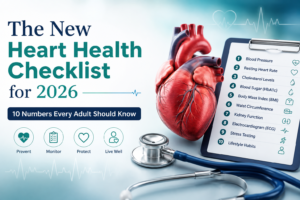
Regular monitoring may include:
- Blood pressure checks
- Cholesterol testing
- Blood sugar screening
- Weight management
- Heart rhythm evaluations
- Lifestyle counseling
Managing cardiovascular health today can reduce the risk of heart attack and stroke in the future.
Don’t Ignore Bone and Joint Health
Healthy bones are essential for maintaining independence.
As we age, bone density naturally decreases, increasing the risk of fractures.
To support bone health:
- Stay physically active
- Consume enough calcium and vitamin D
- Maintain a healthy weight
- Avoid smoking
- Discuss bone density screening with your physician when appropriate
Strong bones help you remain active and reduce the likelihood of injury.
Keep Your Mind Sharp
Brain health is an important part of healthy aging.
While occasional forgetfulness is normal, maintaining cognitive function involves healthy daily habits.
Support your brain by:
- Staying socially connected
- Reading regularly
- Solving puzzles
- Learning new skills
- Exercising consistently
- Managing blood pressure and diabetes
- Getting quality sleep
Mental stimulation benefits people of all ages.
Sleep Is Essential
Sleep plays a vital role in physical recovery, memory, immune function, and emotional well-being.
Adults should prioritize consistent, restful sleep whenever possible.
Poor sleep may contribute to:
- Fatigue
- Difficulty concentrating
- High blood pressure
- Weight gain
- Reduced immunity
If sleep problems persist, discuss them with your healthcare provider.
Prevent Falls Before They Happen
Falls are one of the leading causes of injury among older adults.
Fortunately, many falls are preventable.
Simple strategies include:
- Wearing supportive footwear
- Keeping walkways clear
- Improving home lighting
- Using handrails where needed
- Maintaining muscle strength and balance
- Having vision checked regularly
Fall prevention is an important part of maintaining independence.
Stay Up to Date with Health Screenings
Routine screenings help detect many conditions before symptoms develop.
Depending on your age and medical history, your physician may recommend:
- Blood pressure checks
- Cholesterol screening
- Diabetes screening
- Cancer screenings
- Vision examinations
- Hearing evaluations
- Bone density testing
- Heart evaluations
Regular screenings allow healthcare providers to identify concerns early and recommend appropriate treatment.
Managing Chronic Conditions
If you already have a chronic condition such as diabetes, high blood pressure, or heart disease, regular follow-up care is essential.
Managing chronic illnesses effectively can help:
- Prevent complications
- Improve quality of life
- Reduce hospital visits
- Maintain independence
- Increase life expectancy
Working closely with your healthcare team ensures your treatment plan continues to meet your changing needs.
Healthy Aging Begins with Small Daily Choices
Healthy aging doesn’t require dramatic lifestyle changes.
Simple habits practiced consistently often have the greatest impact.
Consider these everyday goals:
- Walk daily.
- Eat balanced meals.
- Stay hydrated.
- Get enough sleep.
- Avoid smoking.
- Limit alcohol consumption.
- Stay socially connected.
- Schedule routine checkups.
- Take medications as prescribed.
- Keep learning and staying mentally active.
Small improvements today can lead to better health tomorrow.
Frequently Asked Questions
At what age should I begin focusing on healthy aging?
Healthy aging starts much earlier than many people realize. Building healthy habits in adulthood can help reduce the risk of chronic disease later in life.
How often should I have a wellness exam?
Annual wellness visits allow your healthcare provider to monitor your overall health, review medications, recommend screenings, and address any new concerns.
Is exercise safe for older adults?
For most people, regular physical activity is both safe and beneficial. Your healthcare provider can recommend an exercise plan based on your individual health needs.
Can preventive care really make a difference?
Yes. Early detection and routine medical care can help identify many health conditions before they become more serious, improving long-term health outcomes.
Invest in Your Future Health
Healthy aging isn’t about adding years to your life—it’s about adding life to your years.
By staying active, eating well, attending regular checkups, and managing health concerns early, you can help maintain your independence and continue enjoying the activities that matter most.
At Palm Beach Medical Center, our experienced Internal Medicine and Geriatric Care team is committed to helping patients achieve healthier aging through personalized preventive care, wellness evaluations, chronic disease management, and compassionate medical support.
Whether you’re planning for the future or managing existing health concerns, we’re here to help you live your healthiest life.
Schedule your annual wellness visit today and take the first step toward healthier aging.
Medical Disclaimer
This article is intended for educational purposes only and should not replace professional medical advice, diagnosis, or treatment. Always consult a qualified healthcare provider regarding any medical concerns or before making changes to your healthcare routine.